December 8th Extended Session, 12:45 – 4:45
Rinne Miller and Donna Carpenter, of the Kentucky DeafBlind Project, present:
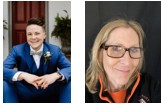
Wait…DeafBlind People Can Do THAT?! – Breaking Barriers, Building Access & Rethinking What’s Possible
Let’s kick off the conference by shaking up what we think we know. DeafBlind job seekers are often underestimated, over-supported, or steered away from opportunities — not because of lack of skill, but because of misconceptions and hidden barriers.
In this interactive session, we’ll explore what helps DeafBlind individuals succeed at work — from communication and environmental factors (yes, lighting matters!) to whether the process or the end result is what really counts. We’ll challenge assumptions, share practical tools, and try out small shifts that make a big difference in access and autonomy.
Expect a mix of reflection, hands-on activities, and real talk as we reframe the question from “Can they do it?” to “How do we create conditions where they can thrive?”
December 9th – Closing Keynote, 3:15 – 4:30
Amanda Owen will close our conference with:
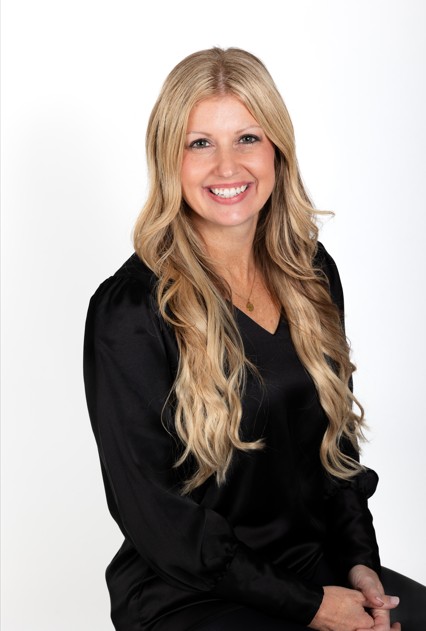
“You Can’t Change the World, But You Can Shape It” How Showing Up with Purpose Builds the Inclusive Communities We Dream Of
In the ever-evolving landscape of disability services and employment support, it’s easy to feel weighed down by policy changes, billing systems, and barriers that make progress seem impossible. But transformation doesn’t begin with systems — it begins with people.
In this motivating closing keynote, Amanda Owen will challenge and uplift attendees to realign with their purpose, reignite their passion, and reclaim their influence. Through reflection, storytelling, and humor, she’ll remind us that real inclusion is shaped not by what we do, but by how we show up. Because while we may not be able to change the world overnight, we can shape communities — one moment, one mindset, one person at a time.
December 9th Concurrent Sessions
9:00 – 10:15
Room B – THIS SESSION HAS CHANGED
Script like an Autistic: Talking to Employers about Autism will NOT be held instead we will offer –
Room B – DB101: Using DB101 on Your Smart Phone
Carolyn Wheeler will share strategies to use handheld devices to explain the impact of wages on benefits with consumers, families, whoever needs to know!
Room C
The Supported Employment Playbook: From Waiver and Vocational Rehabilitation Collaboration to Job Success
Jeff White, DDID
This session will describe the process of using the Continuation of Funding form to determine who pays for supported employment (OVR or waiver) and to ensure all potential supports are accounted for.
Sewing Room
IPS Supported Education: Connecting Learning to Earning!
Lori Norton, Margaret Lopresto, UK-HDI/IPS
Individual Placement and Support (IPS) Supported Education is an evidence-based approach that helps people with behavioral health conditions pursue and succeed in education and training that align with their career goals. Instead of focusing on academic readiness, IPS Supported Education emphasizes rapid engagement, person-centered planning, and individualized support with applications, financial aid, accommodations, and navigating school systems. This session will provide an overview of IPS Supported Education, a new service that can be offered through the 1915i RISE initiative. Participants will learn about what IPS Supported Education is, why it’s important, Supported Education principles, role of the specialist, examples of educational programs and what fidelity looks like for IPS Supported Education.
10:30 – 11:45
Room B
Customized Positions in Supported Employment through Down Syndrome of Louisville
Nicky Martin, Madison Bennet, Supported Employees, Zac Sappenfield, UK-HDI/SETP
Join us as we hear from Nicky and Madison about their customized jobs in Louisville and the process that led to their job development and placement. We’ll be learning directly from the workers about their different positions, as well as from the supported employment specialists who worked with them throughout the process.
Room C
Giving Great Feedback
Amanda Hutchison, UK – HDI/SETP
Giving Great Feedback is an energizing, hands-on workshop designed to help you communicate with clarity, confidence, and impact. In this session, you’ll learn a simple, effective framework for giving feedback that motivates growth rather than causing defensiveness. Through real-world scenarios, paired practice, and group discussion, you’ll build the skills to deliver feedback that is timely, supportive, and actionable. Whether you’re coaching employees, mentoring peers, or talking to a spouse, this workshop will help you transform tough conversations into meaningful opportunities for development. Walk away with tools you can use immediately (at home and work) to strengthen communication and elevate performance.
Sewing Room
ADA Title I: The Interactive Process
Barry Whaley, Syracuse University’s Burton Blatt Institute/SE ADA Center
Title I of the Americans with Disabilities Act protects employees with disabilities from workplace discrimination. The law requires that when a disclosure of disability is made by an employee, the employer is required to engage in an “interactive process” with the employee to determine the best solution to provide an equal employment opportunity. Often, employers do not know what triggers the interactive process and where to begin. In this session, we will learn about the interactive process, the legal framework of the interactive process, and the circumstances that lead to a breakdown in the interactive process.
Lunch
Lunch will include the Awards and an update on Employment First in Kentucky.
Laurie Mays, of the Kentucky Chamber of Commerce Foundation, will be our featured lunch speaker.
1:45 – 3:00
Room B
Why do Pre-ETS Programs Matter for Students?
Alyssa VanMeter, Charlee McMain, Students
Charlee and Alyssa will join us to share what Pre-ETS has done in their lives and how these services are helping them think about employment after school.
Room C
Aligning Services, Documentation and Billing to Improve Outcomes and Your Bottom Line
Melanie Lybarger, Zac Sappenfield, Amanda Hutchison, Lisa Carrico, UK – HDI/SETP
How can we be more thoughtful in our services and more efficient in our billing? This session will look at the purpose of each service in supported employment, to ensure we are doing the work as expected, documenting it correctly and billing appropriately. When we are more efficient on these fronts 1) people are better supported to find good jobs and 2) agencies are more effective in working with OVR and hence more likely to improve their bottom line. This session will cover tips and tools to ensure we are offering services in a way that works for to better everyone.
Sewing Room
Promoting Self-Determination in Employment: Working with clients in and out of guardianship
Laura Butler, UK – HDI
In this session we will explore ways to support clients’ self-determination throughout the employment process. We will discuss ways to engage with reluctant legal guardians, including a review of Kentucky guardianship statutes. Attendees will also learn about resources that can be used to promote increased decision-making autonomy.